
What are GLP-1 Medications and How Do They Support Weight Loss?
Nearly 49.1% of U.S. adults struggle to lose weight. Learn what GLP-1 medications are, who is eligible, and how they support sustainable weight loss.
Read MoreRead mechanism of semaglutide for weight loss, the dosing schedule, clinical trial results, side effects, costs, and what happens when you stop treatment.


Medically Reviewed by:
Dr. Jonathan C. Miller, MD | Dr. Benjamin Krasne, MD
Key Highlights
The recent July 2026 study reveals that the hype of GLP-1 drugs on the internet has risen 25-fold over the last decade. In the United States alone, semaglutide carries a search volume of 368.0K at the time of writing.
So, what is it all about? Let’s tell you everything!
Semaglutide is a prescription medication used to treat type 2 diabetes and for chronic weight management.
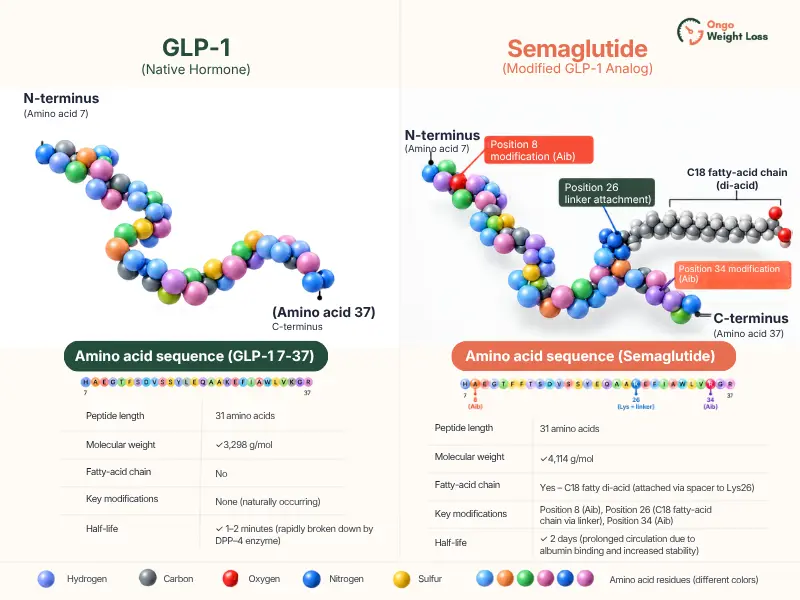
Semaglutide belongs to a class of medicines called GLP-1 receptor agonists. These drugs mimic the function of your body’s natural GLP-1 hormone. Because GLP-1 is an incretin hormone, its effects are closely linked to blood glucose levels. It works through several interconnected pathways involving your brain, stomach, pancreas, and appetite-regulation system.
After food intake, GLP-1 is released from the gut and signals the brain to promote feelings of fullness and reduce hunger. It also helps regulate blood sugar levels and slows stomach emptying.
Natural GLP-1 has a half-life of only about 1 to 2 minutes because enzymes in the body break it down quickly.
When you follow a calorie-restricted diet during your weight loss journey, you may experience increased hunger signals and cravings over time.
Semaglutide provides a longer-lasting way to activate GLP-1 receptors and help regulate hunger and food intake.
Semaglutide is designed to mimic GLP-1 while remaining active in the body for much longer, which is why it can be administered once weekly. It works through several pathways, including:
Some people may experience gastrointestinal side effects as these effects occur, including nausea, bloating, feeling overly full, abdominal discomfort, vomiting, and constipation.
The effect on gastric emptying is only one part of how semaglutide works. Its effects on appetite and energy intake are also important contributors to weight loss.
Semaglutide is a modified version of the human GLP-1 hormone. Its peptide backbone is produced through yeast fermentation and then chemically modified so it lasts longer in the body.
Work on what became semaglutide began in 2002 at the Danish pharmaceutical company Novo Nordisk. A research team led by chemists Thomas Kruse and Jesper Lau, with technician Paw Bloch and under the scientific leadership of Lotte Bjerre Knudsen, spent several years developing a version of GLP-1 that could be taken just once a week.
Scientists at Novo Nordisk modified the human GLP-1 sequence and attached a fatty acid chain. This allows the drug to bind to blood albumin and resist breakdown, extending its half-life from a couple of minutes to about a week.
Semaglutide was first approved by the FDA on December 5, 2017, under the brand name Ozempic® for type 2 diabetes. On June 4, 2021, it was also approved under the brand name Wegovy® for chronic weight management in adults with obesity or overweight.
Semaglutide is also available in compounded versions, prepared by licensed compounding pharmacies. Compounded semaglutide is available only by prescription from a licensed healthcare provider in the USA, based on your individual health needs.
You may notice changes in appetite before you notice major changes on the scale. Some people experience reduced hunger during the first few weeks.
However, the starting dose is intentionally low to check your tolerability. From there, the dose is gradually increased if your body is adjusting well.
A simple timeline:
Based on our patient experience, many Ongo patients have reported progress within a similar timeframe. However, individual results vary based on factors such as starting weight, dose, treatment duration, diet, activity level, and response to treatment.
The cost of semaglutide can vary considerably. Factors may include:
If you're considering treatment through a telehealth provider, look beyond the advertised medication price and check whether the total cost includes the medical consultation, prescription, follow-up care, medication, shipping, and ongoing monitoring. At Ongo Weight Loss, eligible patients can access a semaglutide medication and care plan starting at $179. View Ongo Weight Loss Pricing ↗
Many Ongo patients have seen meaningful progress with treatment (up to 15%). Again, weight-loss results vary from person to person. Your results can depend on:
In clinical trials, adults without diabetes who took once-weekly semaglutide 2.4 mg alongside lifestyle changes lost an average of about 15–17% of their body weight over 68 weeks, compared with about 2–6% in the placebo groups. In adults with type 2 diabetes, average weight loss was lower, about 9.6%. These are averages, not guarantees of individual results.
Some people lose more.
Some lose less.
And some people may not respond adequately to treatment.

Because semaglutide may make you feel full sooner, you may naturally eat smaller portions. This can make it especially important to focus on nutrient-dense foods rather than simply eating as little as possible.
Consider building meals around:
There is no universal list of foods that everyone taking semaglutide must avoid.
However, some people find that very large, greasy, or high-fat meals can make gastrointestinal symptoms such as nausea, bloating, reflux, or stomach discomfort worse.
If you notice that certain foods consistently trigger symptoms, consider reducing them.
If you are still running into challenges, our licensed nutritionists and doctors can create a personalized plan to support long-term weight management.
It’s true that you’ll be going into a calorie deficit as you’ll eventually eat less. So, does it mean it’s a better approach than traditional dieting?

Some studies report around 10–13% weight loss with semaglutide over 6 months, while traditional dieting approaches, including intermittent fasting, often result in less weight loss over the same period, commonly around 5–10%. However, results can vary from person to person depending on the approach and how consistently it is followed.
Whether you continue semaglutide long term or eventually stop, you might be wondering what happens to your eating habits over time.
People who are on semaglutide for weight loss often eat fewer calories after 60 weeks. In other words, your eating patterns and diet approach may change. And there’s a 2026 study conducted by Penn Medicine.
“Many patients worry that their medication has stopped working if they notice some return of hunger after the first several months…Our findings show that even when people feel some of those sensations returning, semaglutide continues to help them eat less. That sustained reduction in calorie intake appears to be a key reason why weight loss is maintained over time,” said Jena S. Tronieri, PhD, lead author of the study.
Semaglutide can help reduce appetite and calorie intake, but long-term weight management may involve medication, lifestyle changes, or both.
This is also something we have observed in our clinical experience. Some patients are able to maintain part of their weight loss after treatment, particularly when they continue healthy eating and regular physical activity. However, individual outcomes vary.
Regular exercise can help support:
Your activity plan can include a combination of aerobic and resistance exercises.
Aerobic activities like walking, cycling, swimming, jogging, dancing, and other activities that increase your heart rate
Resistance training like bodyweight exercises, resistance bands, free weights, and weight lifting for maintaining muscle strength and lean mass. If you are new to exercise, start gradually and increase your activity as your fitness and tolerance improve. Check Latest Workout Plans↗
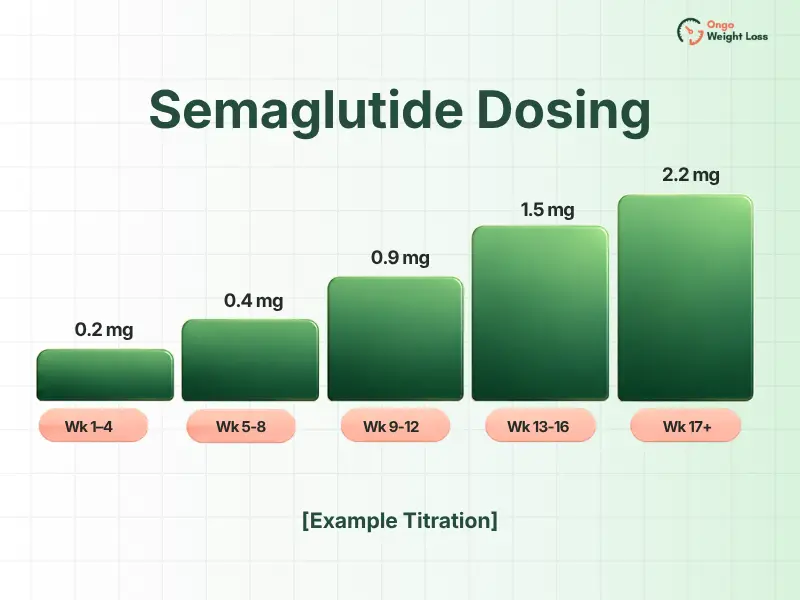
Semaglutide for chronic weight management is generally started at a low dose and gradually increased.
For the FDA-approved Wegovy® injection, the typical dose-escalation schedule is:
| Treatment period | Weekly dose |
|---|---|
| Weeks 1–4 | 0.25 mg |
| Weeks 5–8 | 0.5 mg |
| Weeks 9–12 | 1 mg |
| Weeks 13–16 | 1.7 mg |
| Week 17 onward | 2.4 mg (or 1.7 mg) |
Your healthcare provider may adjust the schedule depending on your response and side effects.
Do not increase your semaglutide dose on your own.
A higher dose is not automatically a better dose. That’s why Ongo Weight Loss and many other trusted medical weight loss providers offer a low-dose approach to semaglutide. Read Semaglutide Dosing Guide↗
Semaglutide for weight management is available in two forms: a once-weekly subcutaneous injection and a once-daily oral tablet. Depending on the specific product, injection sites may include:
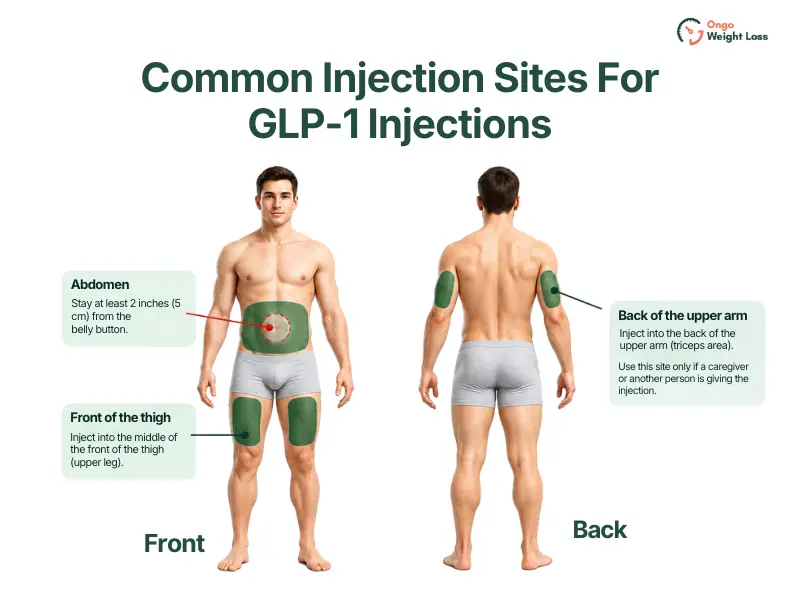
Follow the administration instructions provided with your prescription and medication. Read how to inject a dose from a semaglutide vial.
Whether semaglutide is appropriate for weight loss depends on your age, weight status, medical history, current medications, and overall health.
For FDA-approved weight-management products such as Wegovy®, treatment may be appropriate for eligible adults with obesity or adults with overweight and at least one weight-related health condition. Certain adolescents with obesity may also qualify.
Semaglutide is not appropriate for everyone. Certain medical conditions, medications, allergies, and other factors may make treatment unsuitable or require additional precautions.
A healthcare provider should review your health history and treatment goals before prescribing semaglutide.
Want to check whether you may qualify? See our complete [Semaglutide Eligibility Guide] for the eligibility criteria, contraindications, and factors providers consider before treatment.
Stopping semaglutide does not necessarily mean that your weight will remain at its lowest point.
Semaglutide helps regulate appetite and food intake while you are taking it. After treatment is discontinued, some people may experience increased hunger or changes in appetite, which can make maintaining weight loss more difficult.
Weight regain after stopping semaglutide has been documented in clinical research.
In an extension of the STEP 1 trial, participants who stopped semaglutide after 68 weeks regained a substantial portion of the weight they had previously lost during the following year.
This does not mean that everyone will regain the same amount of weight. Individual outcomes can vary depending on factors such as eating patterns, physical activity, metabolic health, and the reason treatment was discontinued.
Some people may maintain part of their weight loss after discontinuing treatment, particularly when they continue healthy eating habits and regular physical activity.
However, weight regain is common after stopping anti-obesity medication. This is one reason weight management is often considered a long-term process rather than a short-term intervention.
If you are thinking about stopping semaglutide, discuss your options with your healthcare provider. Do not stop or change your semaglutide dose without medical guidance.
Always tell your healthcare provider about all medications and supplements you are taking. This is particularly important if you are taking:
Do not combine semaglutide with another GLP-1 receptor agonist unless specifically directed by your healthcare provider.
This can get confusing because semaglutide is the active ingredient in both Ozempic® and Wegovy®. The important differences are their FDA-approved indications, formulations, concentrations, dosing protocols, and labeling.
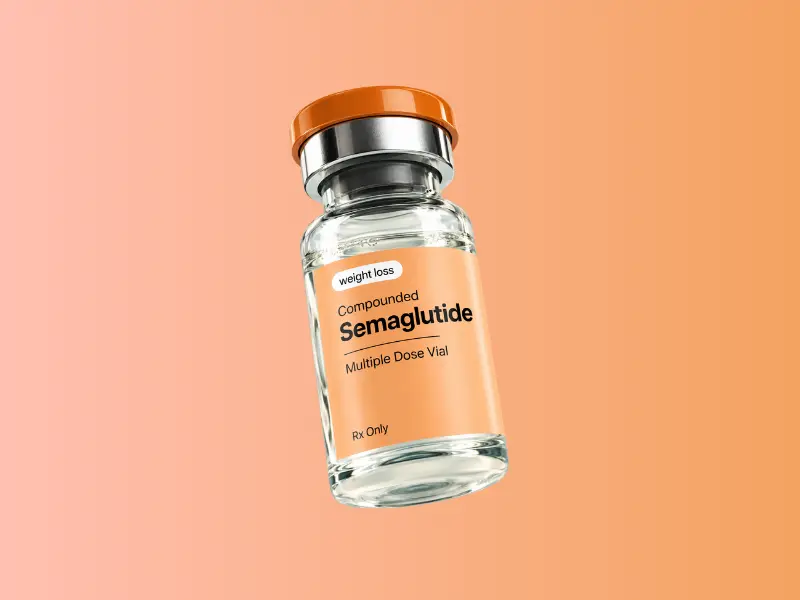
Compounded semaglutide is a pharmacy-prepared formulation of semaglutide made for an individual patient or under applicable compounding requirements. Depending on the formulation and pharmacy, it may contain additional inactive ingredients used to create or stabilize the preparation.
Unlike FDA-approved products such as Ozempic® and Wegovy®, compounded semaglutide does not have FDA-approved labeling as a finished drug product. The concentration and formulation can also vary between pharmacies, so the prescribed dose and injection volume may differ from one compounded product to another.
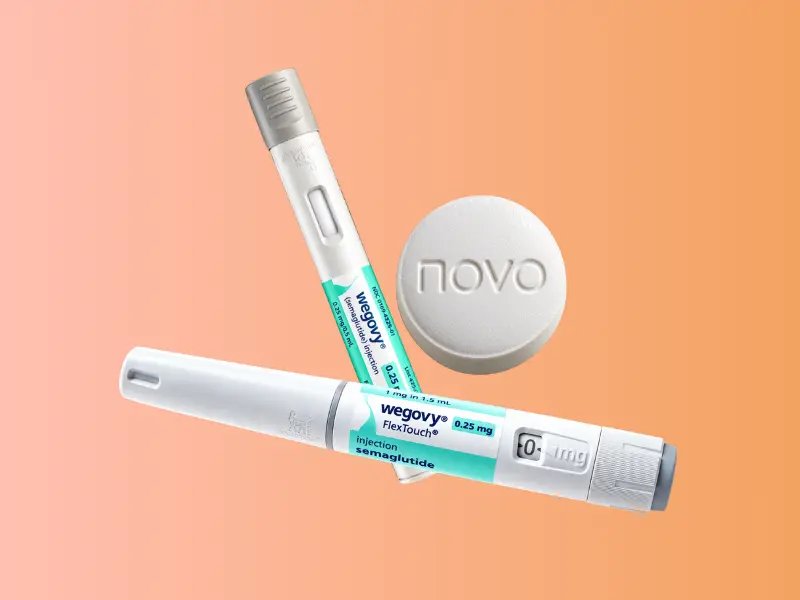
Wegovy® (semaglutide) is a brand-name medication manufactured by Novo Nordisk. It contains semaglutide in specific FDA-approved formulations and strengths, along with inactive ingredients specified in its prescribing information.
Wegovy® is FDA-approved, along with a reduced-calorie diet and increased physical activity, for chronic weight management in eligible patients. It is also approved for certain cardiovascular risk-reduction indications in adults with established cardiovascular disease who have overweight or obesity.

Ozempic® (semaglutide) is also manufactured by Novo Nordisk and contains semaglutide in specific FDA-approved formulations and strengths. However, it has different FDA-approved indications from Wegovy®.
Ozempic® is FDA-approved for improving blood sugar control in certain adults with type 2 diabetes. It is also approved for certain cardiovascular and kidney-related risk-reduction indications in adults with type 2 diabetes.
Like any prescription medication, semaglutide can cause side effects. Most commonly reported side effects involve the digestive system and may be more noticeable when treatment is started or when the dose is increased.
Common side effects may include:
These effects can vary from person to person. Some people may experience only mild symptoms, while others may have more noticeable gastrointestinal effects.
Nausea, vomiting, diarrhea, and constipation are particularly common during dose escalation. For many people, these symptoms become easier to tolerate as the body adjusts to treatment.
Although many semaglutide side effects are mild and gastrointestinal, the medication also carries important warnings and precautions. Depending on the specific semaglutide product, these may include:
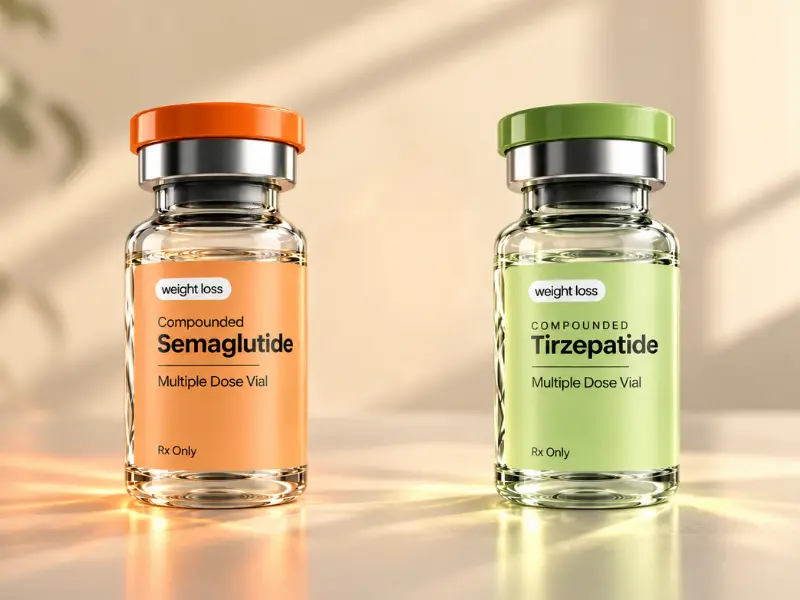
Semaglutide and tirzepatide are prescription medications used for weight management in eligible patients. Both can reduce appetite and food intake, but they work through different hormonal pathways.
Semaglutide is a GLP-1 receptor agonist. It mimics the effects of the naturally occurring hormone GLP-1, which helps regulate appetite, slows gastric emptying, and supports glucose-dependent insulin secretion.
Tirzepatide works on two hormone pathways: GLP-1 and glucose-dependent insulinotropic polypeptide (GIP). By activating both receptors, tirzepatide can affect appetite, food intake, blood glucose regulation, and other metabolic processes.
The medications also have different dosing schedules, FDA-approved products, contraindications, and prescribing considerations. Clinical studies have reported substantial weight loss with both medications, but results vary by study design, dose, treatment duration, and individual patient factors.
The right medication depends on your health history, treatment goals, current medications, eligibility, and how you respond to treatment. A healthcare provider can help determine which option is appropriate for you.
For a more detailed comparison, see [Semaglutide vs. Tirzepatide].
Semaglutide can be an effective option for people who need medical support with weight management. By mimicking GLP-1, it can help regulate appetite, increase feelings of fullness, reduce food intake, and support better blood sugar control. However, results vary from person to person, and treatment should be personalized based on your health, goals, and response to medication. Along with semaglutide, healthy eating, regular physical activity, and ongoing medical guidance can support sustainable, long-term weight management.
U.S. Food and Drug Administration. Wegovy® (semaglutide) prescribing information [Internet]. Silver Spring (MD): U.S. Food and Drug Administration; 2026. Available from: https://www.accessdata.fda.gov/drugsatfda_docs/label/2026/215256s030lbl.pdf
Wegovy prescribing information — FDAU.S. Food and Drug Administration. Ozempic® (semaglutide) prescribing information [Internet]. Silver Spring (MD): U.S. Food and Drug Administration; 2026. Available from: https://www.accessdata.fda.gov/drugsatfda_docs/label/2026/209637s038lbl.pdf
Ozempic prescribing information — FDAWilding JPH, Batterham RL, Calanna S, Davies M, Van Gaal LF, Lingvay I, et al. Once-weekly semaglutide in adults with overweight or obesity. N Engl J Med. 2021;384(11):989-1002. doi:10.1056/NEJMoa2032183. Available from: https://doi.org/10.1056/NEJMoa2032183
Full article — New England Journal of MedicineWilding JPH, Batterham RL, Davies M, Van Gaal LF, Kandler K, Konakli K, et al. Weight regain and cardiometabolic effects after withdrawal of semaglutide: the STEP 1 trial extension. Diabetes Obes Metab. 2022;24(8):1553-1564. doi:10.1111/dom.14725. Available from: https://doi.org/10.1111/dom.14725
Full article — Diabetes, Obesity and MetabolismDavies M, Færch L, Jeppesen OK, Pakseresht A, Pedersen SD, Perreault L, et al. Semaglutide 2.4 mg once a week in adults with overweight or obesity, and type 2 diabetes (STEP 2): a randomized, double-blind, double-dummy, placebo-controlled, phase 3 trial. Lancet. 2021;397(10278):971-984. doi:10.1016/S0140-6736(21)00213-0. Available from: https://doi.org/10.1016/S0140-6736(21)00213-0
Full article — The LancetRubino D, Abrahamsson N, Davies M, Hesse D, Greenway FL, Jensen C, et al. Effect of continued weekly subcutaneous semaglutide vs placebo on weight loss maintenance in adults with overweight or obesity: the STEP 4 randomized clinical trial. JAMA. 2021;325(14):1414-1425. doi:10.1001/jama.2021.3224. Available from: https://doi.org/10.1001/jama.2021.3224
Full article — JAMARubino DM, Greenway FL, Khalid U, O’Neil PM, Rosenstock J, Sørrig R, et al. Effect of weekly subcutaneous semaglutide vs daily liraglutide on body weight in adults with overweight or obesity without diabetes: the STEP 8 randomized clinical trial. JAMA. 2022;327(2):138-150. doi:10.1001/jama.2021.23619. Available from: https://doi.org/10.1001/jama.2021.23619
Full article — JAMAKnudsen LB, Lau J. The discovery and development of liraglutide and semaglutide. Front Endocrinol (Lausanne). 2019;10:155. doi:10.3389/fendo.2019.00155. Available from: https://doi.org/10.3389/fendo.2019.00155
Full article — Frontiers in EndocrinologyHolst JJ. The physiology of glucagon-like peptide 1. Physiol Rev. 2007;87(4):1409-1439. doi:10.1152/physrev.00034.2006. Available from: https://doi.org/10.1152/physrev.00034.2006
Full article — Physiological ReviewsDrucker DJ. Mechanisms of action and therapeutic application of glucagon-like peptide-1. Cell Metab. 2018;27(4):740-756. doi:10.1016/j.cmet.2018.03.001. Available from: https://doi.org/10.1016/j.cmet.2018.03.001
Full article — Cell MetabolismFrías JP, Davies MJ, Rosenstock J, Pérez Manghi FC, Fernández Landó L, Bergman BK, et al. Tirzepatide versus semaglutide once weekly in patients with type 2 diabetes. N Engl J Med. 2021;385(6):503-515. doi:10.1056/NEJMoa2107519. Available from: https://doi.org/10.1056/NEJMoa2107519
Full article — New England Journal of MedicineJastreboff AM, Aronne LJ, Ahmad NN, Wharton S, Connery L, Alves B, et al. Tirzepatide once weekly for the treatment of obesity. N Engl J Med. 2022;387(3):205-216. doi:10.1056/NEJMoa2206038. Available from: https://doi.org/10.1056/NEJMoa2206038
Full article — New England Journal of MedicinePenn Medicine. Semaglutide sustains lower calorie intake for more than a year [Internet]. Philadelphia (PA): Penn Medicine; 2026 Jul 21. Available from: https://www.pennmedicine.org/news/semaglutide-still-has-benefits-after-one-year
Penn Medicine — Semaglutide sustains lower calorie intakeU.S. Food and Drug Administration. FDA’s concerns with unapproved GLP-1 drugs used for weight loss [Internet]. Silver Spring (MD): U.S. Food and Drug Administration. Available from: https://www.fda.gov/drugs/postmarket-drug-safety-information-patients-and-providers/fdas-concerns-unapproved-glp-1-drugs-used-weight-loss
FDA — Concerns with unapproved GLP-1 drugs
Semaglutide is not recommended during pregnancy. If you’re planning to become pregnant, stop semaglutide at least 2 months beforehand, because the medication stays in your body for several weeks. If you become pregnant while taking it, contact your healthcare provider. See our [Semaglutide and Pregnancy Guide] for more information.
What you should do after a missed dose depends on the specific semaglutide product and how much time has passed. Follow the instructions provided with your prescription rather than taking an extra dose. See our [Semaglutide Missed Dose Guide] for product-specific instructions.
Storage requirements depend on the specific semaglutide product and formulation. Follow the storage instructions provided with your medication and pharmacy. See our [How to Store Semaglutide] guide for detailed instructions.
Alcohol is not universally prohibited with semaglutide, but it may worsen certain gastrointestinal symptoms and can affect blood glucose. Your individual risk may depend on your health conditions, other medications, and how much alcohol you drink. Discuss alcohol use with your healthcare provider.
Common side effects such as nausea, vomiting, diarrhea, constipation, and stomach discomfort may be more noticeable when starting treatment or increasing the dose. Eating smaller meals, staying hydrated, and following your prescribed dose-escalation schedule may help. Contact your healthcare provider if symptoms are severe or persistent. See our [Semaglutide Side Effects Guide] for more information.
Eligibility depends on factors such as your age, weight status, medical history, and overall health. A healthcare provider should determine whether semaglutide is appropriate for you. See our [Semaglutide Eligibility Guide] for more details.
Do not stop semaglutide or change your dose without discussing it with your healthcare provider. Weight regain can occur after stopping treatment, so your provider can help determine an appropriate long-term weight-management plan.
Nearly 49.1% of U.S. adults struggle to lose weight. Learn what GLP-1 medications are, who is eligible, and how they support sustainable weight loss.
Read More